


Resource Type: Blogs
Tag: Commerce
Tag: Nutrition
BLOGS
As nutrition shift to concern-led commerce, generic storefronts fail. Discover how personalised nutrition AI boosts conversion rates and builds trust.
November 10, 2026

Resource Type: Blogs
BLOGS
Nutrition shopping is getting personal. Is your storefront keeping up?
As nutrition shift to concern-led commerce, generic storefronts fail. Discover how personalised nutrition AI boosts conversion rates and builds trust.
November 10, 2026
Contents
Contents
Contents
Contents
Contents
Contents
The traditional nutrition aisle is a monument to consumer confusion. Faced with a wall of uniform vitamin bottles and a confusing ingredients list, shoppers are forced act as if they are an amateur biochemist. But in 2026, the consumer has become tired of guessing. We’re entering an era of concern-led commerce, where buyers no longer search for product categories like “whey protein” or “vitamins”, but for personal outcomes like “fatigue” or “recovery”.
Shoppers are arriving with more information than ever, AI search and social media make nutrition advice easier to find, compare and share. That's where nutrition shopping can get complicated, there’s plenty of choice, but choice only helps when people know how to use it.
The limits of tradition nutrition commerce
The traditional ecommerce architecture was simple: department → category → product. This structure no longer works for the modern consumer who arrives to your site with established and highly specific wellness needs. While AI search and social media make nutrition advice easier to find, they also make it easier for people to self-diagnose a need before they reach a brand’s site. The challenge is helping them navigate the site to find a product that fits.
This shift matters beyond ecommerce, a review in The BMJ describes a European trial involving more than 1,600 people in which personalised dietary advice helped participants make healthier changes than standard, one-size-fits-all advice. The interesting detail: using more sophisticated genetic or biological information didn’t add a clear benefit over personalising advice based on someone’s current diet.
This is a useful reminder: personalisation doesn't have to begin with complex data; it can begin with understanding what a shopper is trying to do.
The online nutritionist needs to earn its place
In a good health shop on the high street, the conversation is just as important as the products on the shelves and a knowledgeable assistant can ask questions, listen, and help narrow down and make sense of the options. This is where online shopping often falls short, that kind of help is replaced by a search bar and a long list of results, half of which may be entirely irrelevant to the shoppers needs.
An AI shopping assistant offers another option: the shopper can describe what they need in their own words and get help exploring the relevant products and understanding the different between them, much like the experience of speaking to that knowledgeable shopping assistant on the high street.
The evidence for personalised advice is encouraging, but it needs to be read carefully. In a 2024 study reported by King’s College London, 347 participants followed an 18-week personalised nutrition programme or general dietary advice. Both groups improved, while the personalised group saw greater changes in some measures. This is evidence for the value of relevant, tailored guidance, it isn’t evidence that a retail recommendation can diagnose a health issue or deliver the same outcomes. A useful AI assistant should help shoppers understand a brand’s range but not act as a clinician.
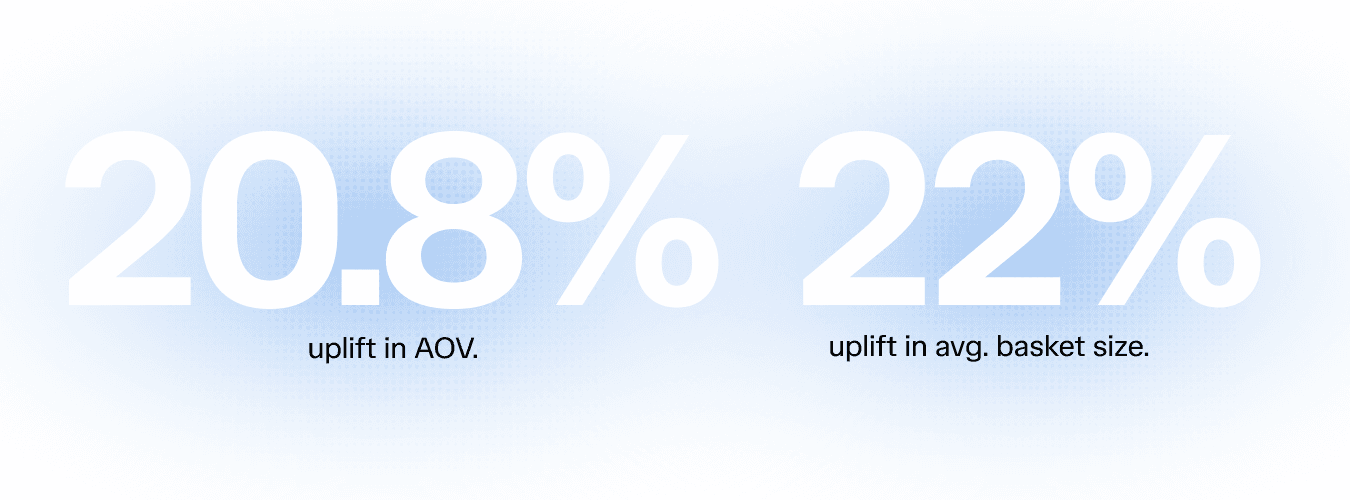
There’s a commercial case for improving discovery, too. In an early Myprotein pilot, our AI Shopping Assistant recorded an eight-times higher conversion rate than the site average and a 20.8% uplift in average order value. We also reported a 5.5-times increase in first-time buyer conversion and a 22% uplift in average basket size. The point of this isn’t that every nutrition brand needs a chatbot; it’s that when shoppers get relevant help at the moment they need it, discovery can become a more useful part of the experience.
The next product search may happen somewhere else
The storefront won’t always be where the journey begins, in fact it is becoming less likely. A shopper might start with a recipe, a creator’s morning routine, or a question about eating well, then follow that curiosity towards a product.
Pinterest’s Great Britain and Ireland trends show that interest in food and wellbeing is overlapping. “Lemon water recipes” is up 90% month on month, and “healthy eating” is up 30% in Pinterest’s Health spotlight, in the Food & Drink and Health search trends, “fruit” is up 70% year on year. These are Pinterest search and save signals, not proof of supplement demand, but they do show people actively exploring food and health ideas on the platform. (Pinterest Trends, 10 November 2026). On TikTok, health content can also lead to action: 35% of users interested in health content said they had bought something after seeing health content on the platform.
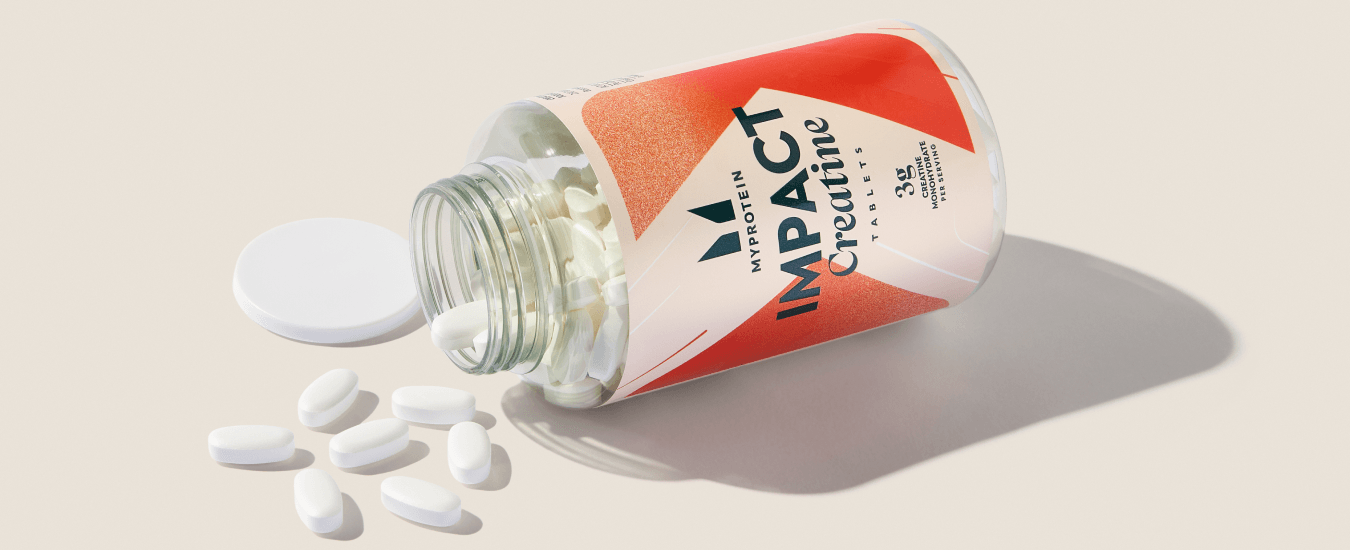
This can be seen as well in search signals; UK supplement searches point to increasingly specific discovery. “Creatine” ranked as the country’s biggest supplement search term in a recent analysis, while searches for “magnesium glycinate” had a 1.7 times higher demand index than “magnesium”. People aren’t always starting with a broad category. They may arrive knowing the ingredient they want, then need help working out which product fits their needs.
These trends are important to keep in mind and should help inform how brands ensure a product is found and understood on site.
From social discovery to AI-guided routines
Social content can spark the question, but where does the shopper go from here?
A shopper may arrive on site wanting to build muscle, improve recovery or find products that will fit a vegan diet, and an AI assistant can help them work out how to get there. The Myprotein AI Shopping Assistant already helps shoppers explore products through natural-language questions. it can also help someone build a routine around their goal: bringing relevant products together, explaining how they differ and helping the shopper revisit their choices over time with memory.
This creates a new responsibility for brands, the more actively AI shapes the journey, the more important it becomes to make recommendations understandable and keep the shopper in control. Forrester’s 2027 predictions warn that consumers will push back against AI that feels manipulative, while seeking human expertise to validate its recommendations. That means building assistants around accurate product information, clear explanations and useful choices, with boundaries around what they can recommend. In nutrition, an assistant should help someone navigate a product range and build a shopping routine. It shouldn’t present itself as diagnosing a condition or prescribing a treatment.
Make the next step clearer
Personalised nutrition doesn’t mean building a digital doctor or asking shoppers to share more than they want to, it can be as simple as understanding why they came to the site and helping them make sense of the choices in from of them.
Where brands take it from here depends on their starting point. It might mean starting with better product information, for others it might be clearer educational content or an AI assistant that can answer the shoppers' questions. For others, it could mean taking personalisation further by investing in individual needs more deeply. ZOE’s research offers one example: a study reported by King’s College London compared tailored dietary guidance with general advice. The BMJ defines personalised nutrition as using information about individual characteristics to develop targeted nutritional advice, products or services.
That gives brands a broader question to consider: how could research help them make their products, guidance and shopping experiences more relevant to the individual?
Whether that insight comes from the questions shoppers ask an AI assistant or deeper investment in scientific research, the signal is clear: people want nutrition guidance that feels relevant to them. Brands need to make the path from personal goal to informed product choice easier to follow.
Make your customers' experience more personal.
Discover how to transition your digital architecture to support conversational discovery, machine-friendly product catalogues, and unified global fulfilment.